top of page
845EF69E-71CA-4807-BB0E-A2BB980CD04E.PNG
Search

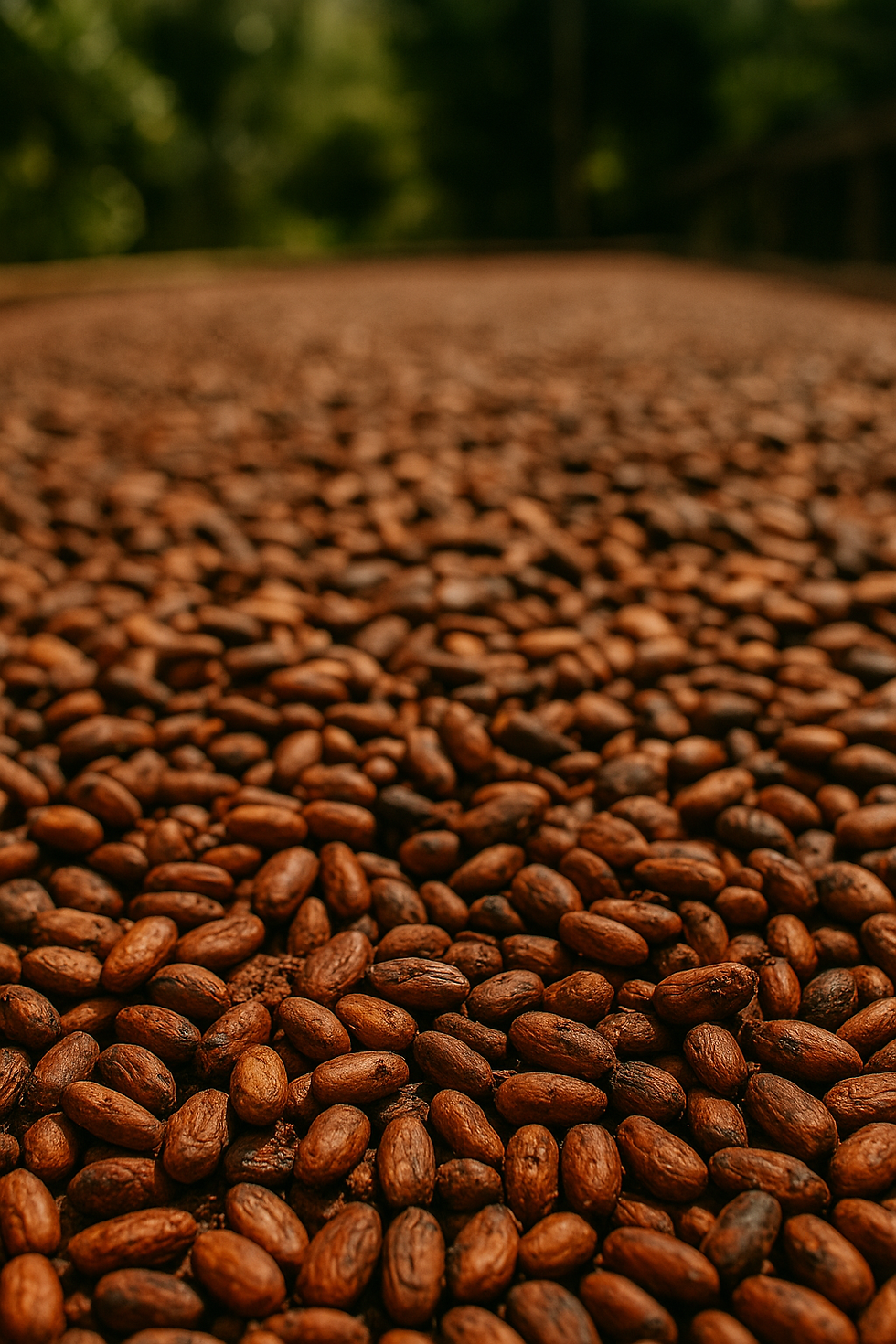
Cheni Cacao Beans from Peru: Why This New Batch Is Perfect for Ceremonial Cacao

A new batch has arrived — Cheni cacao beans from Peru. And if you’ve ever wondered what makes one batch feel “alive” in a cup while another tastes flat or overstimulating, it usually comes down to three things: origin, post-harvest handling, and how the cacao is processed after it reaches the maker.


Cheni beans check the boxes that matter most for ceremonial cacao — not because of hype, but because they align with what ceremonial cacao is meant to be: whole-bean cacao prepared with care, crafted for a steady, nourishing experience you can return to daily.


What “Cheni” Means (and Why It Matters)


When a cacao is named something like “Cheni”, it’s often used as a specific origin designation — a named region, community, valley, or sourcing program tied to a particular supply chain. In other words, it’s not just “Peru cacao.” It’s a more specific identity: a batch with its own terroir, genetic profile, and post-harvest signature.


That specificity matters because ceremonial cacao is about consistency of experience: how it tastes, how it feels, and how it performs as a daily ritual.


Why Peru Produces Exceptional Ceremonial Cacao


Peru is one of the most respected cacao origins in the world — especially for ceremonial style cacao — because it can produce beans that are naturally:


  • Complex in flavor (often deep cacao base with subtle fruit, floral, or nut notes)

  • Balanced rather than aggressively bitter

  • Mineral-rich and grounding in the cup

  • Clean and expressive when minimally processed


In many Peruvian growing areas, cacao thrives in conditions that support this kind of complexity: tropical humidity, rich living soils, and biodiverse environments that allow cacao to develop character rather than just yield.


Why These Beans Work So Well for Ceremonial Cacao


Ceremonial cacao isn’t about being the sweetest or the most “chocolaty.” It’s about being whole, intact, and functional — something that can anchor a ritual and support a steady, calm form of energy.


Here’s why a Peruvian origin like Cheni is a great fit:


1) A naturally smooth, drinkable profile


The best ceremonial cacao doesn’t fight you. It dissolves, coats the cup, and finishes clean — especially when stone-ground and kept close to its natural form. Beans with balanced acidity and a softer bitterness tend to feel more drinkable daily.


2) A “steady” experience


Cacao is known for a gentler form of stimulation than coffee — not a spike, but a more even, sustained feeling. That comes down to cacao’s naturally occurring compounds and the way the bean is handled. When the roast is gentle and the grind is slow, the experience tends to stay smooth and consistent.


3) Origin character you can taste


Ceremonial cacao should taste like a place — not like a factory. Named batches like “Cheni” often carry that sense of identity: a flavor that’s specific, recognizable, and not generic. That’s part of what makes a cacao feel premium.


What We Do With Cheni Beans at XOL


Great beans deserve great handling. This is where ceremonial cacao becomes real.


With Cheni, we follow a simple philosophy: protect what’s already there.


  • Gentle roasting to develop aroma and loosen shells without burning character

  • Careful winnowing to remove husk cleanly and keep the nib pure

  • Slow stone-grinding to create a silky cacao liquor while keeping the process low and controlled

  • Small batches so freshness stays real — not just a marketing word


We don’t rely on heavy processing, alkalizing, or shortcuts to “fix” cacao. Instead, we let the bean do what it was meant to do — and we handle it with enough patience to keep its natural depth intact.


Why Freshness Matters More Than People Realize


Ceremonial cacao is best when it’s not treated like shelf-stable candy. Freshness changes everything:


  • Aroma is fuller

  • Flavor is rounder

  • Texture is smoother

  • The overall “feel” in the body is cleaner


That’s why we prefer small batch production and why we’re always exploring new harvests and origins. Every batch teaches us something — and every batch is an opportunity to refine.


The Bottom Line


Cheni cacao beans from Peru represent exactly what ceremonial cacao should be: origin-specific, character-rich, and worthy of intentional processing. This batch isn’t about trends. It’s about returning cacao to its most meaningful form — a daily ritual that feels nourishing, steady, and real.


If you want to experience this new batch, it’s available now at LiveXOL.com.


Comments


bottom of page